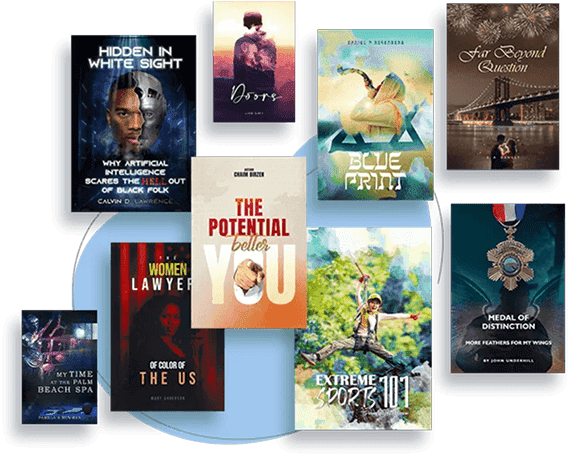
Finishing a manuscript is a huge achievement, but writing the final sentence does not mean the book is ready for publication.
Every successful book goes through several stages of review before it reaches readers. Two of the most important steps are editing and proofreading.
However, many authors struggle to understand the difference between editing and proofreading and when each service is necessary.
Learning how to edit a book properly ensures your manuscript is polished, professional, and ready for publication.
Authors who want expert support can explore book editing services and proofreading services offered by experienced publishing professionals.
You can also explore publishing solutions from Alpine Publishers to guide your book through the production process.

Why Editing Is Essential Before Publishing
Even the most experienced writers need editing.
Editing helps improve:
- Story structure
- Clarity and readability
- Grammar and sentence flow
- Character development
- Overall narrative quality
Without editing, even strong ideas can appear confusing or unpolished.
Before publishing your book, you should ensure your manuscript is properly prepared for distribution.
For example, once editing is complete, authors must format their manuscript correctly. Learn more in How to Format a Book for Kindle and Print: A Professional’s Checklist.
What Is Book Editing?
Book editing is a detailed process that improves the structure, clarity, and effectiveness of a manuscript.
Professional editors analyze elements such as:
- Plot structure
- Character development
- Chapter organization
- Writing style
These improvements help transform a rough manuscript into a polished book ready for publication.
Many authors rely on professional book editing services to strengthen their writing before moving to later stages of production.
Types of Book Editing
There are several different types of editing used in publishing.
Developmental Editing
Developmental editing focuses on the overall structure of the book.
Editor’s review:
- Story arcs
- Character development
- Narrative flow
- Chapter organization
This stage often involves significant revisions.
Line Editing
Line editing focuses on improving the quality of individual sentences.
Editors refine:
- Tone and voice
- Word choice
- Sentence clarity
This stage helps ensure the writing flows smoothly for readers.
Copy Editing
Copy editing focuses on technical accuracy.
Editors correct:
- Grammar errors
- Punctuation mistakes
- Inconsistent formatting
- Sentence structure issues
This step prepares the manuscript for the final stage: proofreading.
What Is Proofreading?
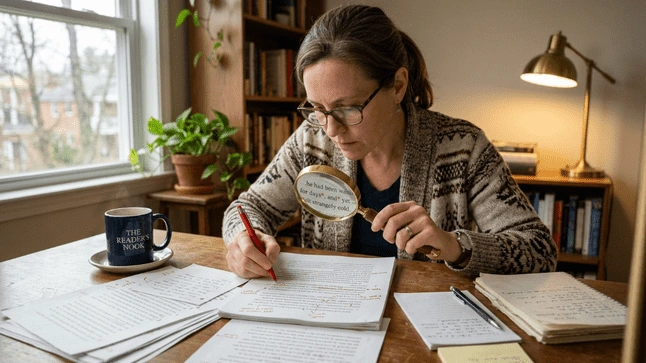
Proofreading is the final review before publication.
Unlike editing, proofreading focuses on catching minor errors that remain after editing.
Proofreaders check for:
- Spelling errors
- Typographical mistakes
- Incorrect punctuation
- Formatting inconsistencies
This stage ensures the manuscript is completely polished before printing or digital distribution.
Difference Between Editing and Proofreading
Understanding the difference between editing and proofreading helps authors choose the right service.
| Editing | Proofreading |
| Improves structure and clarity | Fixes minor surface errors |
| May involve rewriting | Focuses on corrections |
| Happens earlier in the process | Happens at the final stage |
| Addresses story and flow | Addresses grammar and typos |
Both services play important roles in preparing a book for publication.
When Should Authors Use Editing and Proofreading?
The typical publishing workflow includes several steps.
These usually follow this order:
- Manuscript writing
- Developmental editing
- Copy editing
- Proofreading
- Formatting and publishing
After editing and proofreading are complete, authors must format their book for digital and print platforms.
Learn more in How to Format a Book for Kindle and Print: A Professional’s Checklist.
You should also choose the correct book size and layout, as explained in Choosing the Right Book Dimensions: A Guide to Trim Sizes and Layouts.
Editing for Different Types of Books
Different types of books require different editing approaches.
For example:
- Fiction requires strong character development
- Nonfiction requires clear explanations
- Children’s books require simple language and engaging storytelling
If you are publishing illustrated books for younger readers, you may want to explore How to Publish a Children’s Book: From Illustrations to Distribution.
These books require careful editing and visual storytelling.
Editing Before Self-Publishing
Editing is especially important for authors who choose to publish independently.
Without a traditional publisher, authors must ensure their manuscript meets professional standards.
To understand the independent publishing process, read What is Self-Publishing? A Complete Guide to Taking Control of Your Journey.
Proper editing improves reader experience and helps books receive better reviews.
Protecting Your Work Before Publishing
Once your manuscript is edited and finalized, you should protect your intellectual property before distribution.
Authors can secure legal protection by registering copyright.
Learn how in Protecting Your Work: How to Copyright a Book and Why It Matters.
You should also prepare identifiers such as ISBNs before distribution.
To understand this process, read Understanding ISBNs and Barcodes: What Every Self-Published Author Needs.
Editing and Book Marketing
Professional editing also plays a role in book marketing.
Well-edited books:
- Receive better reader reviews
- Build stronger author credibility
- Increase reader engagement
Authors often distribute early copies to reviewers before the official launch.
These early editions are known as ARCs.
You can learn more in What is a Galley Book? Understanding ARCs and Pre-Launch Copies.
Strong reviews generated during this stage can significantly impact book sales.
To understand how book sales generate income, read How Much Do Authors Make Per Book? Royalties and Earnings in 2026.
Final Thoughts
Understanding the difference between editing and proofreading is essential for every author preparing a book for publication.
Editing improves the overall quality of the manuscript, while proofreading ensures the final text is free from errors.
Both stages play a crucial role in producing a professional book that readers will enjoy.
If you want expert support in preparing your manuscript for publication, you can explore professional editing services and proofreading services. You can also connect with Alpine Publishers or reach out through their contact page for professional publishing assistance.