Writing Against All Odds
Imagine trying to write a book without seeing or hearing the world around you. Sounds impossible, right? Yet, Helen Keller did exactly that and went on to inspire generations of writers.
Her story is more than history. It’s a powerful reminder that creativity doesn’t depend on perfect conditions. For today’s writers struggling with focus, doubt, or discipline, Helen Keller’s journey offers practical lessons that still matter.
Who Was Helen Keller?
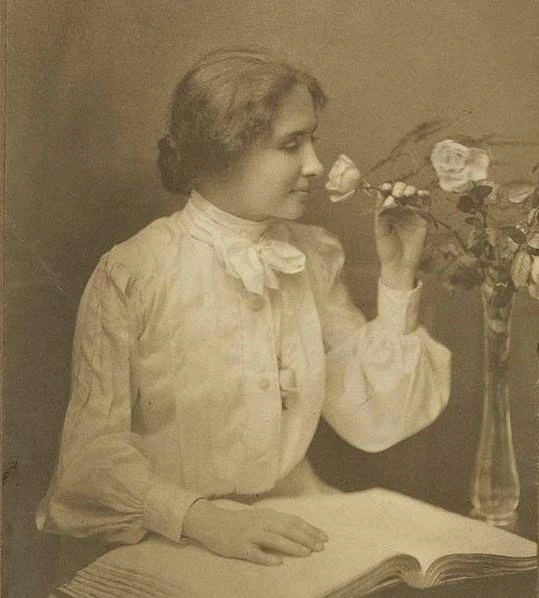
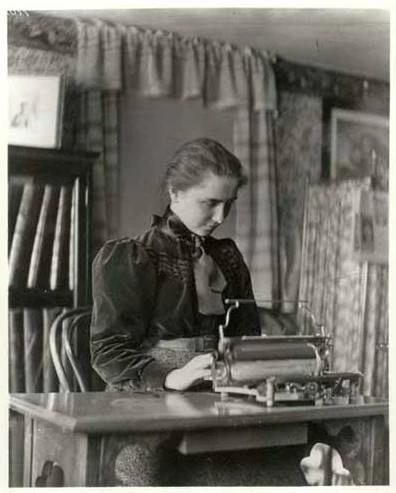
Helen Keller was an American author, activist, and lecturer who lost both her sight and hearing at just 19 months old. Despite these challenges, she became one of the most influential writers of her time.
Her success wasn’t accidental. It was the result of:
- Strong mentorship
- Relentless practice
- A deep desire to communicate
One key figure in her journey was Anne Sullivan, who taught her how to understand language through touch.
How Did Helen Keller Learn to Write?
1. Learning Language Through Touch
Helen Keller’s breakthrough came when Anne Sullivan spelled words into her hand using finger movements. This method helped her associate objects with language.
For example, when water flowed over her hand, Sullivan spelled “W-A-T-E-R” into her palm. That moment changed everything.
2. Mastering Braille and Tactile Reading
Keller learned Braille, which allowed her to read and write through touch. This opened the door to literature, education, and eventually, authorship.
3. Using a Typewriter
Later, Keller used a typewriter to write her books. She memorized the keyboard layout and typed with precision, proving that physical limitations don’t define creative ability.
Helen Keller’s Writing Process
Writing a book without sight or hearing required a completely different process. Here’s how she did it:
Structured Thinking Before Writing
Keller relied heavily on mental organization. Before writing, she would:
- Form ideas clearly in her mind
- Structure arguments mentally
- Recall experiences vividly
Drafting with Assistance
While she wrote independently, assistants sometimes helped refine her work by:
- Reading feedback into her hand
- Helping edit drafts
- Ensuring clarity for readers
Continuous Learning
Keller never stopped learning. She read extensively through Braille and constantly improved her writing style.
Popular Helen Keller Books
Helen Keller didn’t just write one book; she wrote several that are still widely read today.
Notable Works
- “The Story of My Life” – Her autobiography and most famous work
- “The World I Live In” – A deep insight into her sensory experiences
- “Out of the Dark” – Essays on social issues
These works highlight her ability to transform personal challenges into meaningful stories.
Helen Keller: Inspiration for Writers Today
Helen Keller’s journey isn’t just inspiring, it’s practical. Here are key lessons modern writers can apply:
1. Discipline Beats Motivation
You don’t need to “feel inspired” to write. Keller wrote consistently despite her limitations.
Lesson: Build a routine. Show up daily.
2. Limitations Can Fuel Creativity
Instead of seeing her disabilities as barriers, Keller used them to develop a unique perspective.
Lesson: Your struggles can shape your voice.
3. Strong Mentorship Matters
Anne Sullivan played a crucial role in Keller’s success.
Lesson: Seek guidance from mentors, editors, or writing communities.
4. Clarity Comes from Deep Thinking
Keller’s mental preparation helped her write clearly.
Lesson: Spend time organizing your thoughts before writing.
5. Persistence is Non-Negotiable
Keller faced countless challenges but never gave up.
Lesson: Writing is a long game. Stay committed.
What Modern Writers Can Learn (Quick Breakdown)
| Lesson | How to Apply It Today |
|---|---|
| Discipline | Write daily, even for 20 minutes |
| Perspective | Use personal experiences in storytelling |
| Learning | Read regularly to improve writing |
| Support | Work with editors or writing groups |
| Persistence | Keep writing despite setbacks |
Common Challenges Writers Face Today
Interestingly, modern writers often struggle with things Keller didn’t:
- Distractions (social media, notifications)
- Lack of consistency
- Overthinking perfection
Helen Keller didn’t have these distractions. Her focus was pure and intentional.
Takeaway: Simplicity and focus can dramatically improve your writing.
How to Apply Helen Keller’s Lessons in Your Writing Routine
Here’s a simple framework inspired by her approach:
Daily Writing System
- Think First (5–10 mins)
Outline your ideas mentally or on paper - Write Without Editing (20–30 mins)
Focus on flow, not perfection - Review Later
Edit after a break for clarity
Why Helen Keller Still Matters in the Digital Age
In today’s fast-paced world, writing often feels rushed and shallow. Helen Keller’s work reminds us that:
- Depth matters more than speed
- Meaningful writing requires effort
- True creativity comes from within
Her story proves that writing is not about tools or technology—it’s about determination and expression.
Conclusion: Your Story Matters Too
Helen Keller didn’t wait for perfect conditions to start writing. She worked with what she had—and made history.
If she could write books without sight or hearing, what’s stopping you?
Key Takeaways
- Discipline is more important than inspiration
- Your challenges can become your strength
- Writing is a skill built through consistency
Start Your Writing Journey Today
If you’ve been waiting for the “right time” to write, this is it. Take inspiration from Helen Keller and start small—one paragraph, one idea, one step at a time.
Your story deserves to be told.